Lessons/Programmatic 101
Course · Adtech & Programmatic
Programmatic 101
How an impression actually gets bought, who touches it on the way, where the money leaks, and how to tell whether any of it worked. Nine lessons, about 15 minutes each, each with a diagram.
By Brandon Mina·CEO, BrandPilot AI·Updated November 2026
- Lessons
- 9
- Time
- About 15 min
- Level
- Beginner
- Cost
- Free
Syllabus9 lessons · About 15 min · Beginner
Programmatic 101 · course overview- 01The life of a programmatic impression
- 02Buy side vs. sell side: who sits where
- 03Auctions: first price, second price, and floors
- 04Waterfall vs. header bidding
- 05The four ways to buy programmatically
- 06How data and identity reach a bid
- 07Supply path optimization and supply chain quality
- 08Measuring programmatic: from impression to incremental outcome
- 09Where programmatic is going
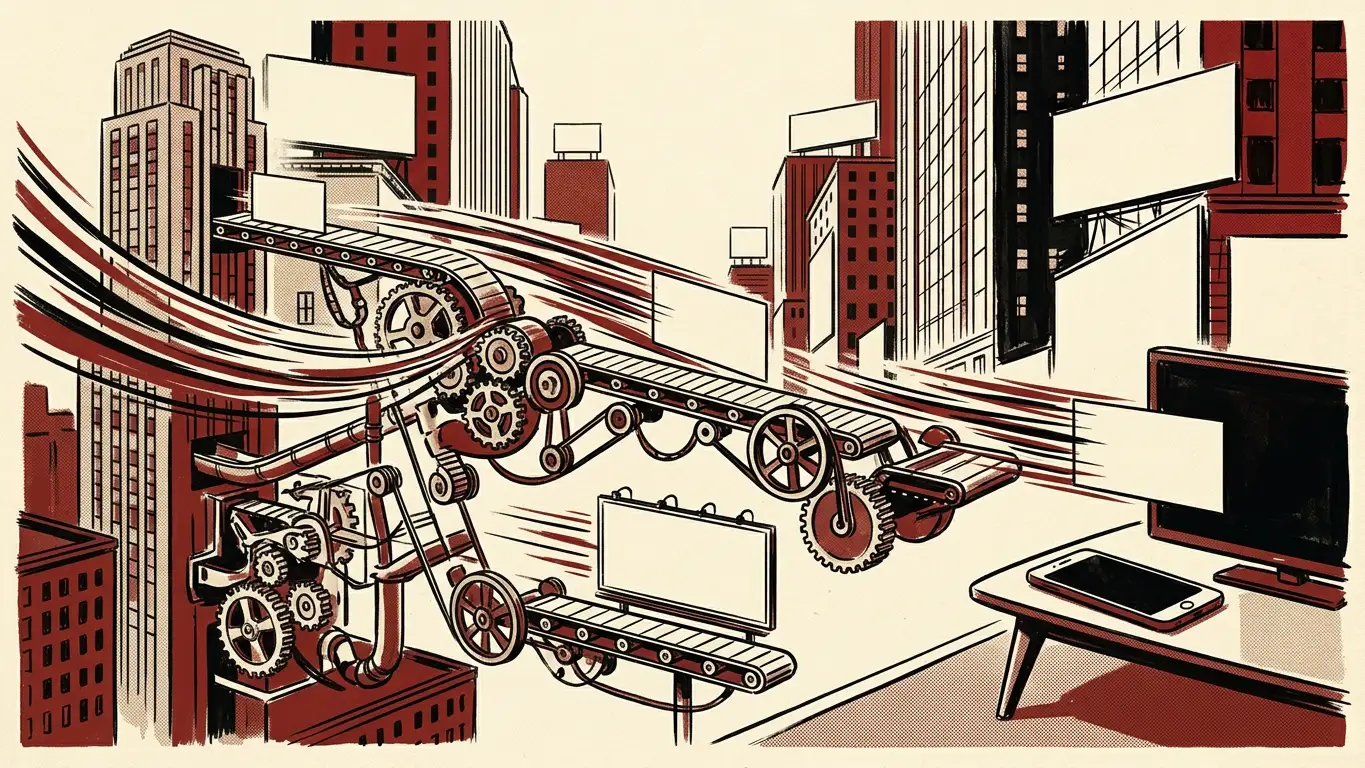
Before and after
One buyer at a time, or everyone at once.
Lesson 4 in one picture. Drag the handle left to swap the old waterfall for header bidding.
After: header biddingAfter
Before: the waterfallBefore
Is this for you?
Marketers new to programmatic
You run campaigns, and the programmatic line in the plan is still a black box.
Founders buying media for the first time
You are about to spend real money and want to know what it buys.
Agency and sales teams
You sit in the pitch and need the vocabulary to hold your own.
Students and career switchers
You want a way into adtech and a map of who does what.
Curriculum
Nine lessons, in order.
01The life of a programmatic impression
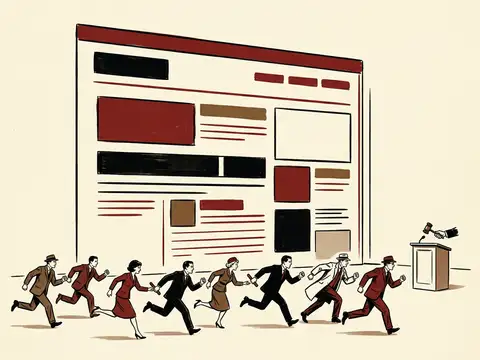
Before you can argue about fees, identity, or measurement, you need to see the plumbing. When someone opens a page, the publisher's ad server asks its SSP to sell the slot.
Start lesson 1 →02Buy side vs. sell side: who sits where
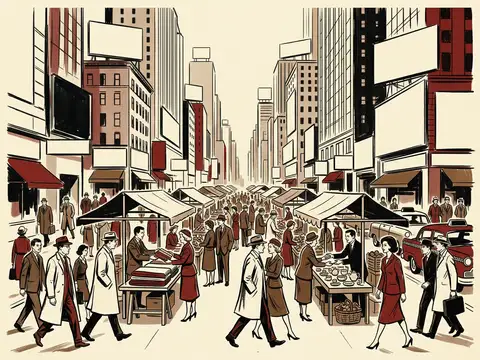
Every company in this industry is paid by someone, and who pays them tells you whose interests they serve. Buy-side tools help advertisers spend; sell-side tools help publishers earn.
Start lesson 2 →03Auctions: first price, second price, and floors
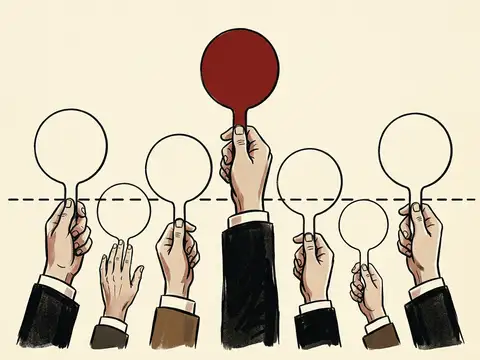
The same four bids produce very different prices depending on the rules. Under second-price, the winner pays just above the runner-up.
Start lesson 3 →04Waterfall vs. header bidding
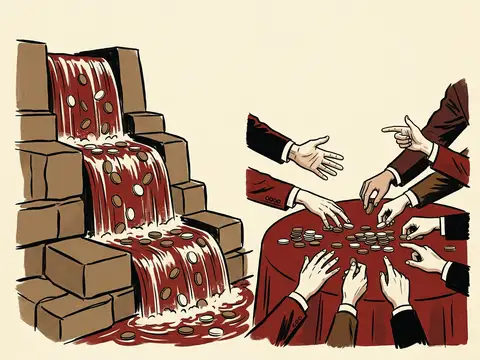
For years, publishers offered each impression to partners one at a time, in a fixed order. A buyer further down the chain who would have paid more never got the chance.
Start lesson 4 →05The four ways to buy programmatically
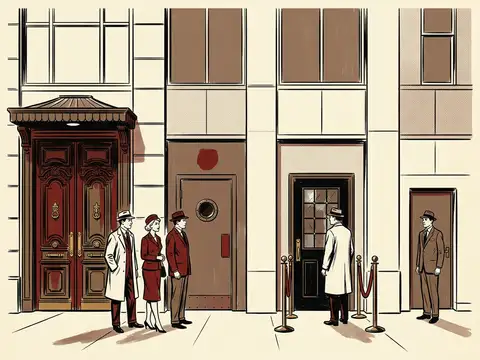
"Programmatic" doesn't just mean open auction. Two questions define every deal: is the volume guaranteed, and is the price fixed or set by auction?
Start lesson 5 →06How data and identity reach a bid
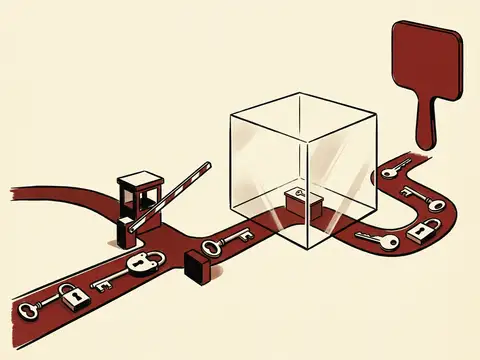
Targeting is only as good as the signal behind it, and the signals are changing. Third-party cookies and mobile IDs are less reliable than they were, so value has moved to consented first-party data, authenticated identifiers, clean rooms that match audiences without sharing raw personal data, and good old context.
Start lesson 6 →07Supply path optimization and supply chain quality
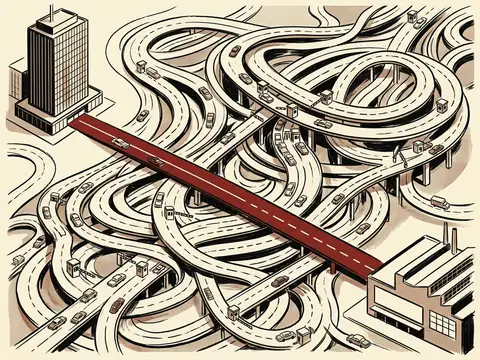
One ad slot can reach a buyer through a direct SSP, several resellers, and a few routes nobody can explain. Every extra hop adds fees and risk.
Start lesson 7 →08Measuring programmatic: from impression to incremental outcome

An impression can be served, viewable, human, and attended, and still not cause anything that wouldn't have happened anyway." The question that matters to a CFO is "incremental": what did this spend actually add?
Start lesson 8 →09Where programmatic is going
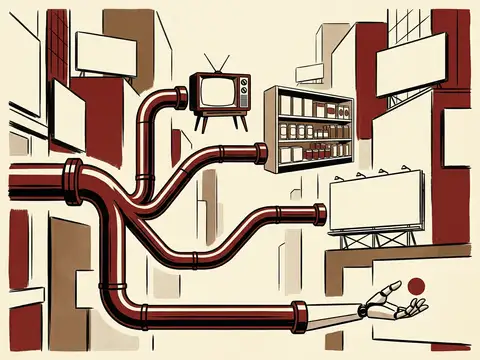
Programmatic started as a way to sell leftover banner inventory. Now the same machinery buys streaming TV, audio, retail media, and screens in the street, and AI agents are starting to negotiate and buy on our behalf.
Start lesson 9 →For years, publishers offered each impression to partners one at a time, in a fixed order.
From lesson 04 · Waterfall vs. header bidding
Interactive
Try it: run an auction
Three bidders, one impression. Set the floor, pick the rules, switch bid shading on, and run it.
Set a floor and run the auction.
Illustrative numbers, randomised on every run. Real auctions add fees, timeouts and many more bidders.